Skip to content
Order Contacts
Order Contacts
Patient Registration
Patient Registration
Pay Bill Online
Pay Bill Online
Request An Appointment
Request An Appointment
Home
Our Doctors
Dr. Madani-Becker
Dr. Lisa Dang
Dr. Darren Knight
Dr. Crystal Kim
Dr. Kenneth Miller – Emeritus
Eye Exams
Comprehensive Eye Exams
Vision Exams
Surgical Procedures
Cataract Surgery
Laser Assisted Surgery
Lifestyle Lens Options
LASIK
Blepharoplasty
Eye Conditions
Cataracts
Glaucoma
Diabetic Eye Disease
Macular Degeneration
Dry Eye
Optical
Optical Shop
Contact Lenses
Prescription Eyeglasses
Patient Resources
Office Hours
Cancellation Policy
Insurance
Patient Forms
ABB Portal
Testimonials
Contact Us
Order Contacts
Order Contacts
Patient Registration
Patient Registration
Pay Bill Online
Pay Bill Online
Request An Appointment
Request An Appointment
Home
Our Doctors
Dr. Madani-Becker
Dr. Lisa Dang
Dr. Darren Knight
Dr. Crystal Kim
Dr. Kenneth Miller – Emeritus
Eye Exams
Comprehensive Eye Exams
Vision Exams
Surgical Procedures
Cataract Surgery
Laser Assisted Surgery
Lifestyle Lens Options
LASIK
Blepharoplasty
Eye Conditions
Cataracts
Glaucoma
Diabetic Eye Disease
Macular Degeneration
Dry Eye
Optical
Optical Shop
Contact Lenses
Prescription Eyeglasses
Patient Resources
Office Hours
Cancellation Policy
Insurance
Patient Forms
ABB Portal
Testimonials
Contact Us
Eye Conditions
Services
Cataracts
Glaucoma
Diabetic Eye Disease
Macular Degeneration
Dry Eye
Request an Appointment
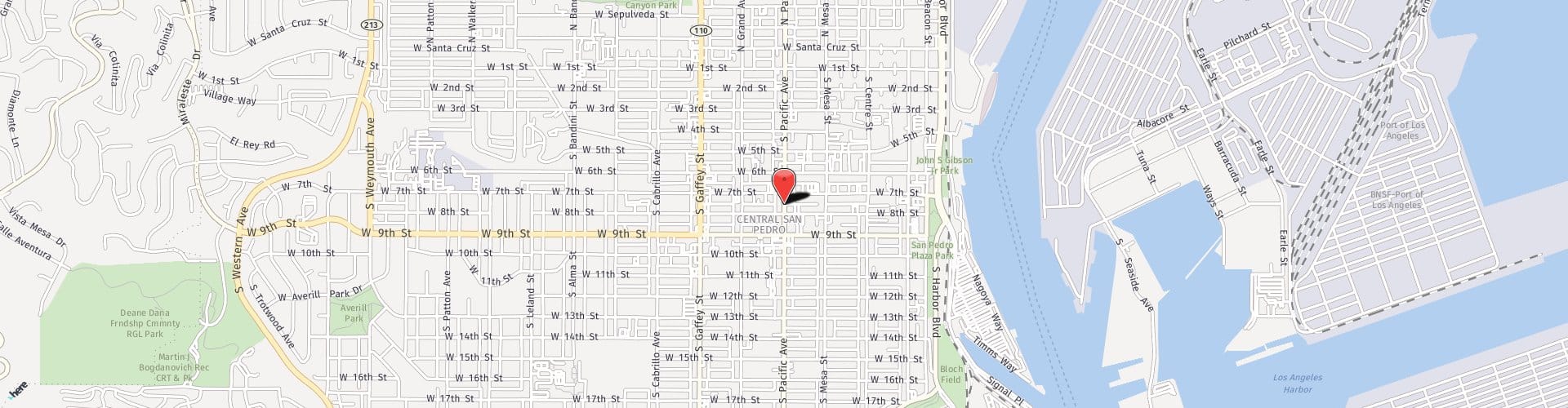
Our Office
800 South Pacific Avenue,
Suite A
San Pedro, CA 90731
(310) 547-9991
Stay in touch
contact
Home
Our Doctors
Dr. Madani-Becker
Dr. Lisa Dang
Dr. Darren Knight
Dr. Crystal Kim
Dr. Kenneth Miller – Emeritus
Eye Exams
Comprehensive Eye Exams
Vision Exams
Surgical Procedures
Cataract Surgery
Laser Assisted Surgery
Lifestyle Lens Options
LASIK
Blepharoplasty
Eye Conditions
Cataracts
Glaucoma
Diabetic Eye Disease
Macular Degeneration
Dry Eye
Optical
Optical Shop
Contact Lenses
Prescription Eyeglasses
Patient Resources
Office Hours
Cancellation Policy
Insurance
Patient Forms
ABB Portal
Testimonials
Contact Us
Patient Registration
Patient Registration
Order Contacts
Order Contacts
Pay Bill Online
Pay Bill Online
Visit Our Blog
Visit Our Blog
Request An Appointment
Request An Appointment
Accessibility Toolbar
close
Toggle the visibility of the Accessibility Toolbar
keyboard
Keyboard Navigation
visibility_off
Disable Animations
nights_stay
Contrast
format_size
Increase Text
text_fields
Decrease Text
font_download
Readable Font
title
Mark Titles
link
Highlight Links & Buttons
Scroll to Top